Comparing Juicer Materials
Key Takeaways
- Different juicer materials include plastic, stainless steel, glass, and cast iron.
- Each material has unique pros and cons affecting durability, taste, and maintenance.
- Cast iron juicers offer excellent durability and flavor retention.
- Consider your juicing needs and preferences before making a choice.
Choosing the right juicer is essential for enjoying your favorite juices. The juicer's material can greatly impact the juicing experience and the quality of juice produced. In this article, we will compare different juicer materials, focusing on their pros and cons relative to cast iron. This will help you make an informed decision based on your preferences and lifestyle.
Common Juicer Materials
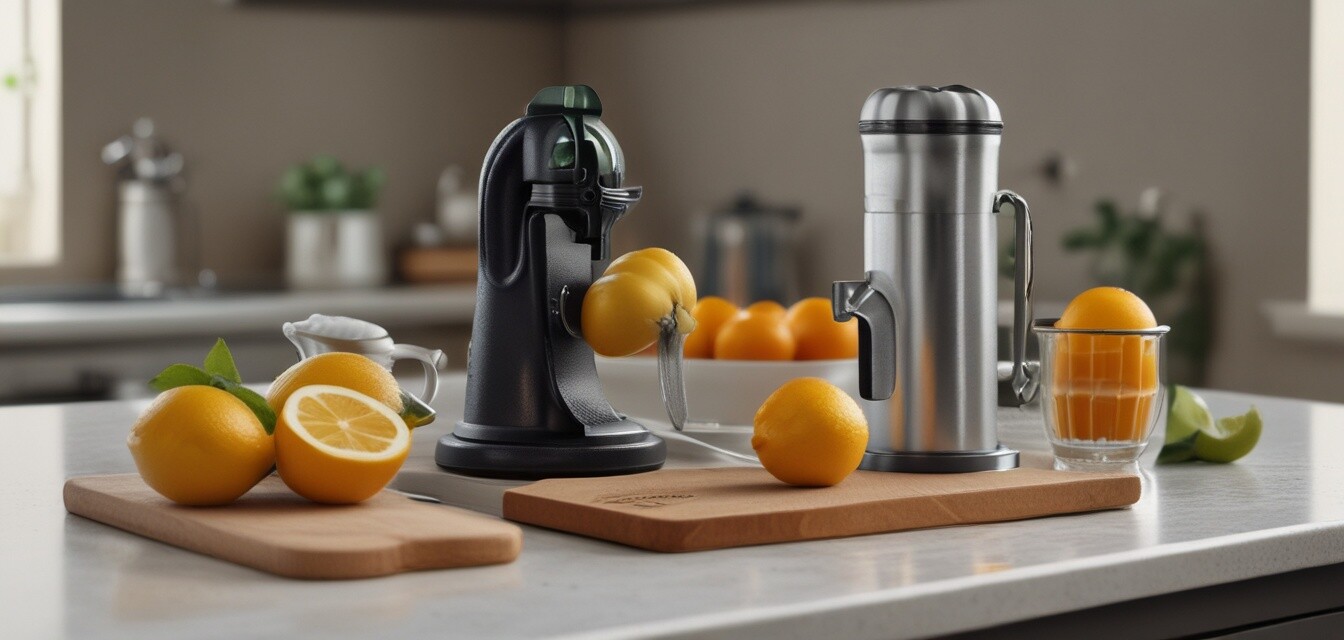
Juicers are available in various materials, each having its own strengths and weaknesses. Below are the most common materials used in juicers:
| Material | Description |
|---|---|
| Plastic | Lightweight and affordable, but may affect taste. |
| Stainless Steel | Durable and resistant to rust, offering a clean taste. |
| Glass | Non-reactive and can maintain flavors, but fragile. |
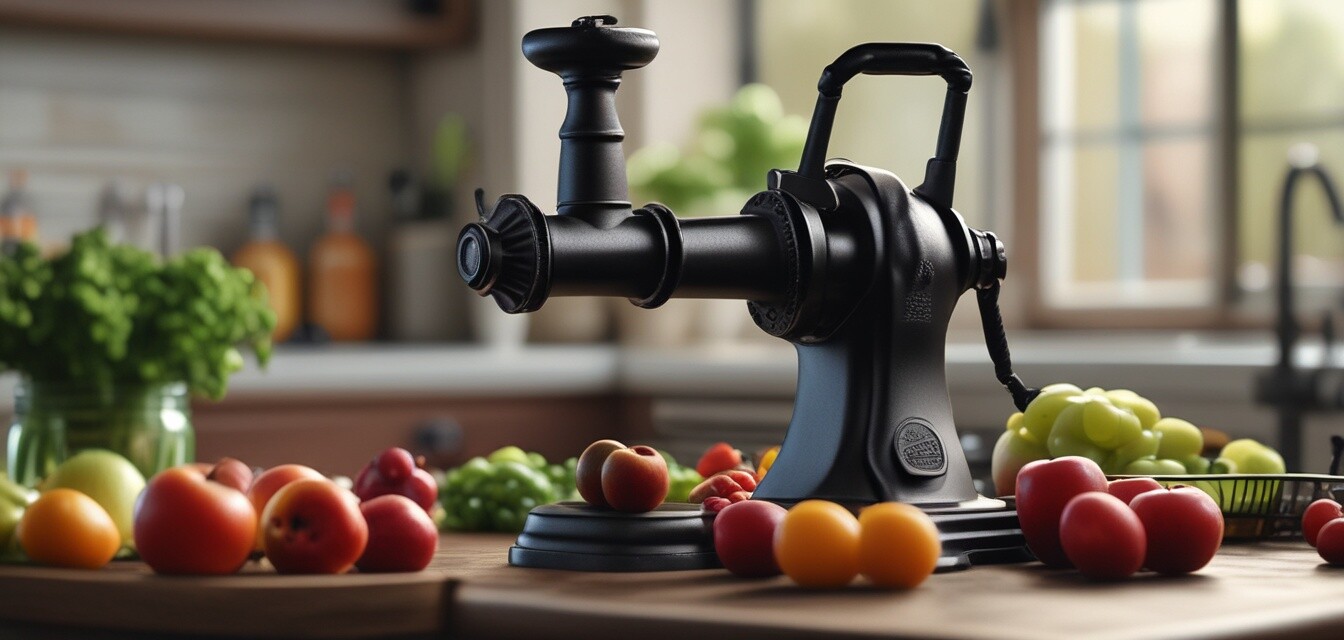
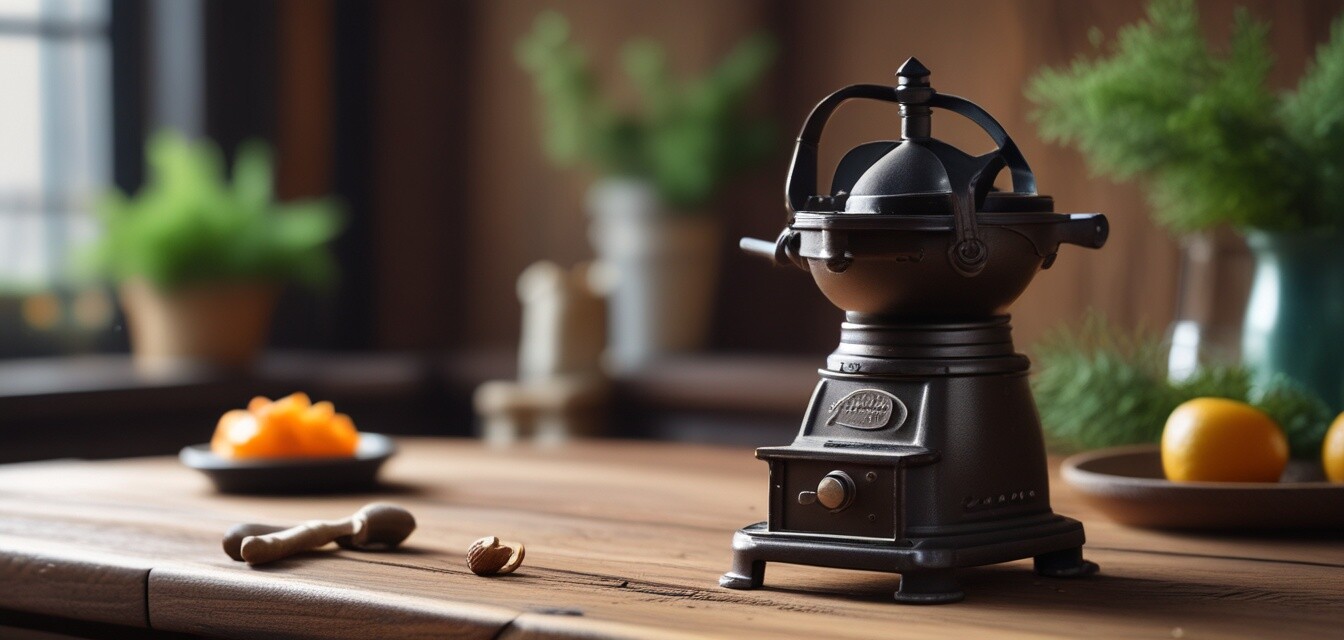
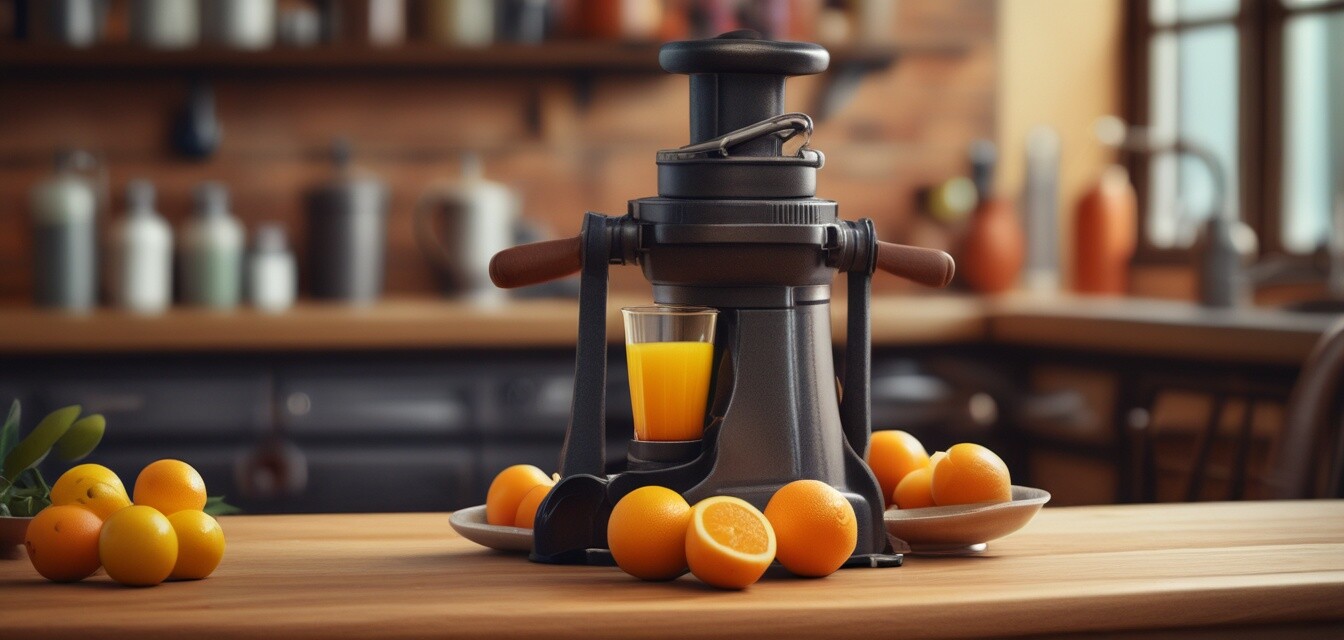
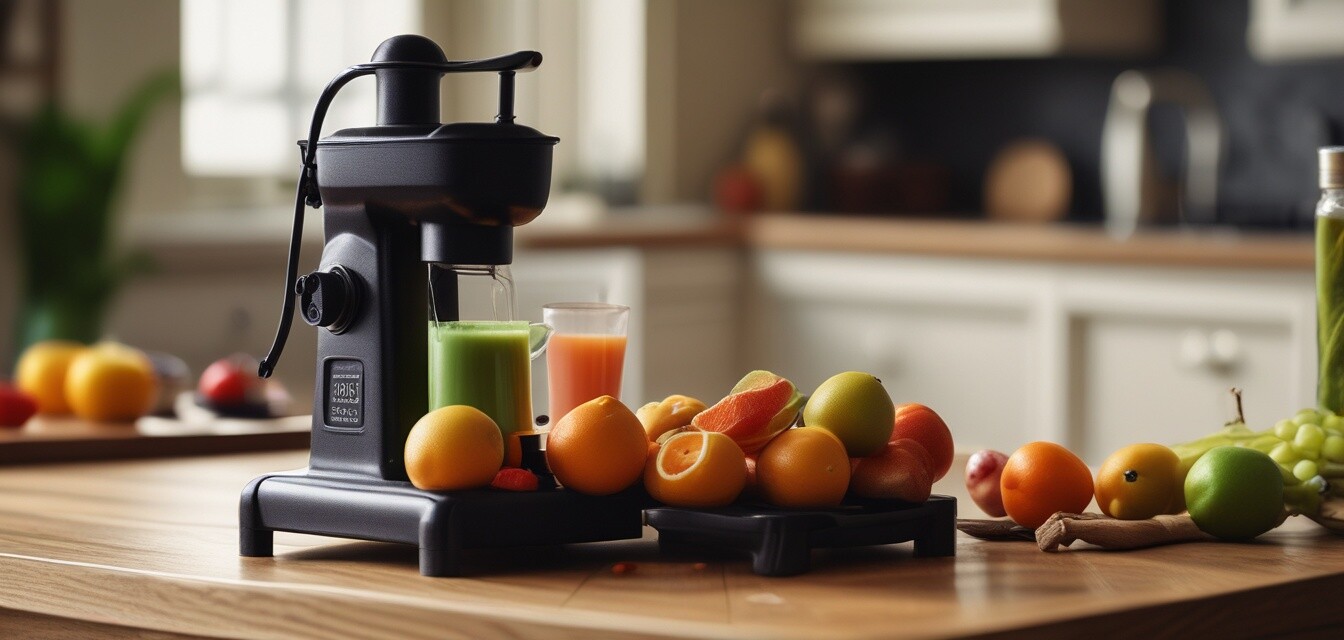
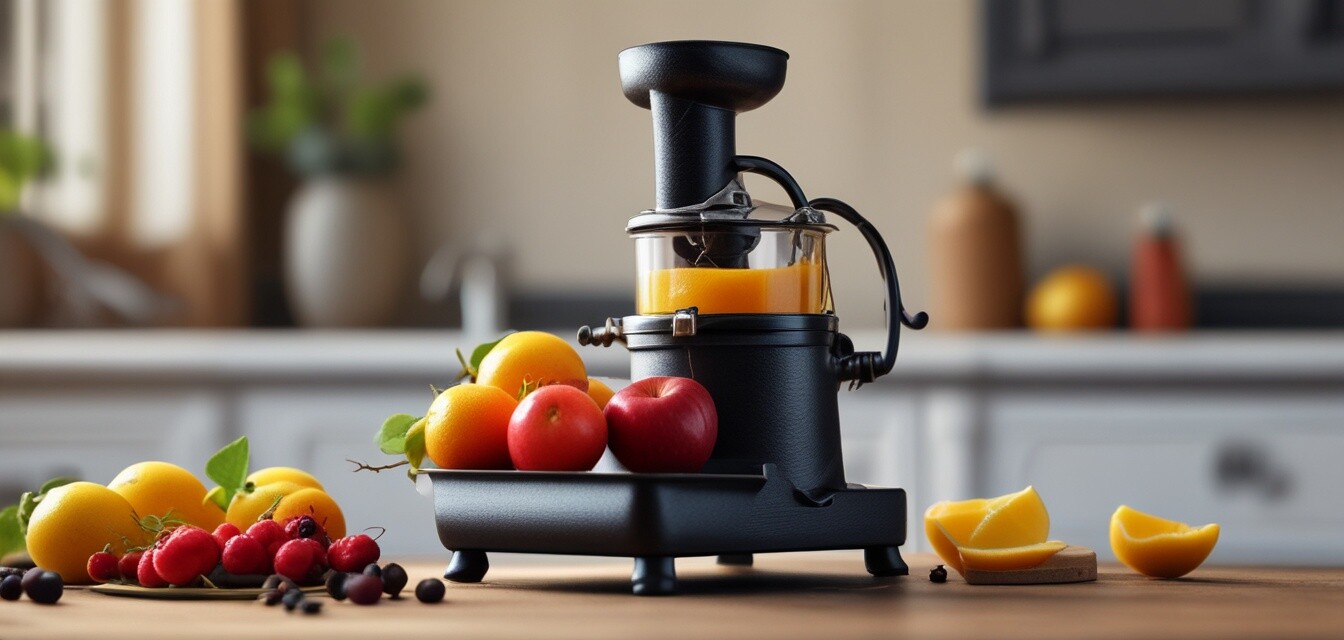
| Cast Iron | Highly durable and retains flavors well. |
Pros and Cons of Different Juicer Materials
Plastic Juicers
Pros
- Lightweight and portable
- Cost-effective
- Easy to clean
Cons
- Can retain odors
- May leach chemicals into the juice
- Not as durable as other materials
Stainless Steel Juicers
Pros
- Highly durable
- Resistant to rust and corrosion
- Easy to clean
Cons
- May be heavier
- Typically more expensive
Glass Juicers
Pros
- Non-reactive, preserving taste
- Visually appealing
- Easy to clean in the dishwasher
Cons
- Fragile and prone to breaking
- More expensive than plastic
Cast Iron Juicers
Pros
- Incredibly durable and long-lasting
- Enhances flavor retention
- Excellent for high-volume juicing
Cons
- Heavier than other materials
- Requires seasoning to prevent rust
- More expensive initially
Comparison Table of Material Features
| Feature | Plastic | Stainless Steel | Glass | Cast Iron |
|---|---|---|---|---|
| Durability | Low | High | Medium | Very High |
| Weight | Light | Medium | Heavy | Very Heavy |
| Taste Retention | Low | Medium | High | Very High |
| Maintenance | Easy | Easy | Medium | Requires care |
| Price Range | Low | Medium to High | Medium to High | High |
Which Material is Right for You?
When considering which juicer material to choose, it’s essential to reflect on your juicing habits, budget, and maintenance preferences. Here are some tips:
Tips for Beginners
- If you're budget-conscious, consider starting with a plastic juicer.
- For more robust usage and longevity, invest in a stainless steel or cast iron juicer.
- Evaluate how often you juice; frequent juicers may benefit from more durable materials.
- Consider flavor impact when choosing juicer materials; cast iron and glass excel in this area.
Conclusion
In conclusion, selecting the right juicer material depends on your personal needs and preferences. Each material has its advantages and disadvantages. While cast iron juicers stand out for their durability and flavor retention, your choice must align with your lifestyle and budget. Exploring the specific types of citrus juicers, cold press juicers, and manual cast iron juicers will give you more insight into what suits you best.