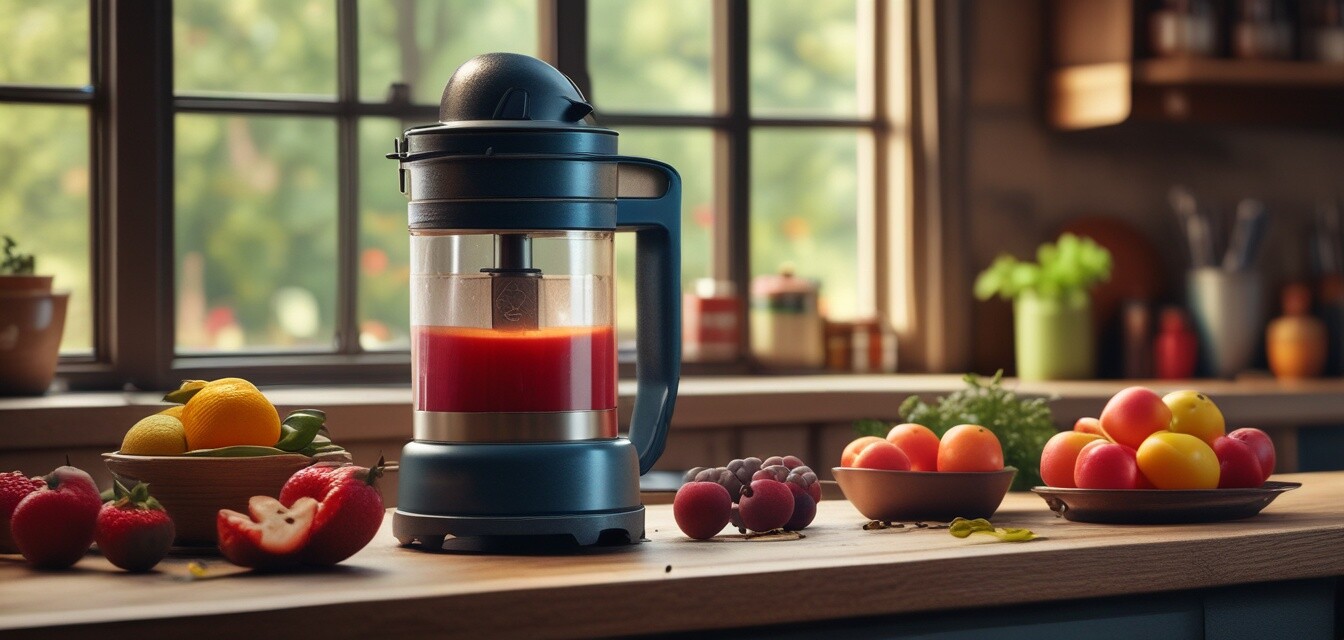
Overview of Cast Iron Juicers
- Cast iron juicers offer durability and high-performance juicing.
- They can be used for a variety of fruits and vegetables.
- These juicers require some maintenance to keep them in optimal condition.
- Manual operation allows for greater control over juicing efficiency.
Welcome to our comprehensive guide focused on understanding the benefits and features of cast iron juicers. In this article, we will explore the different types, benefits, and tips for using these sturdy kitchen appliances.
What is a Cast Iron Juicer?
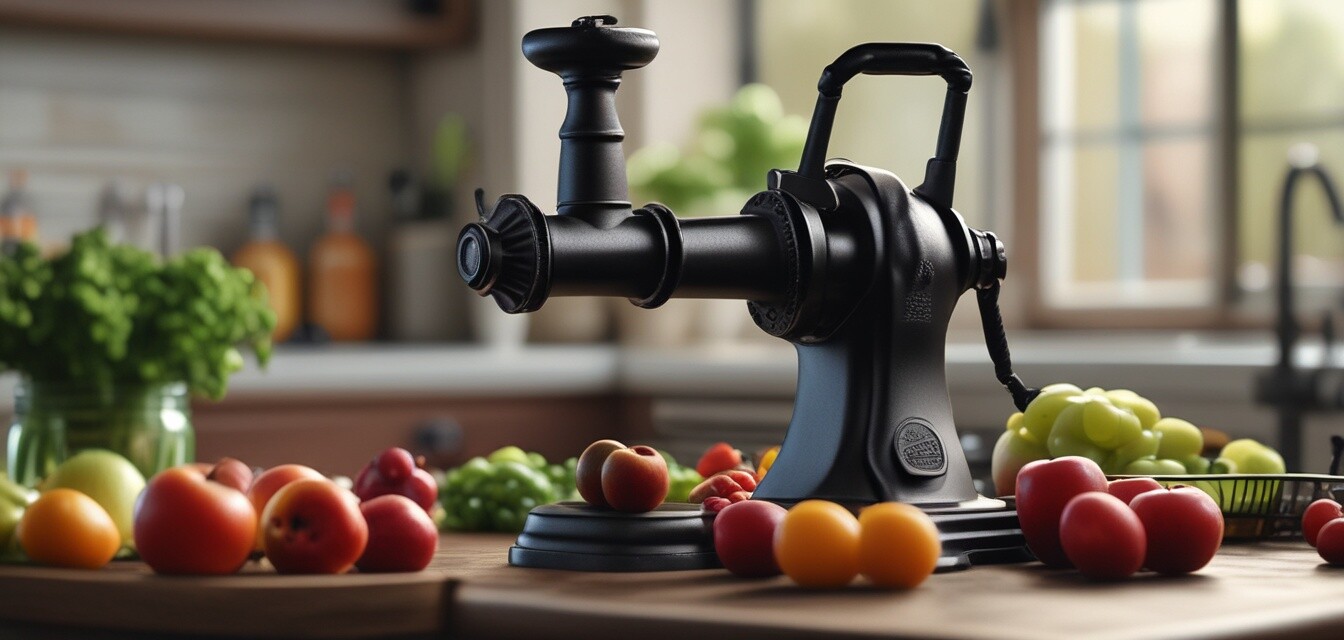
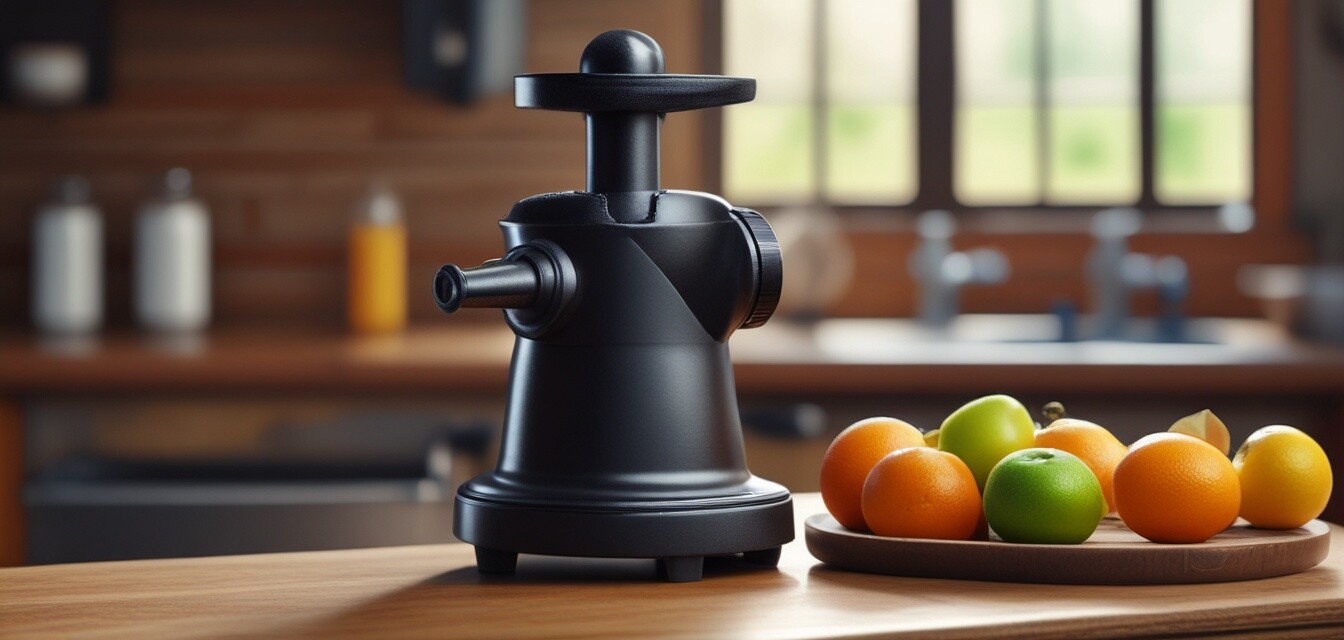
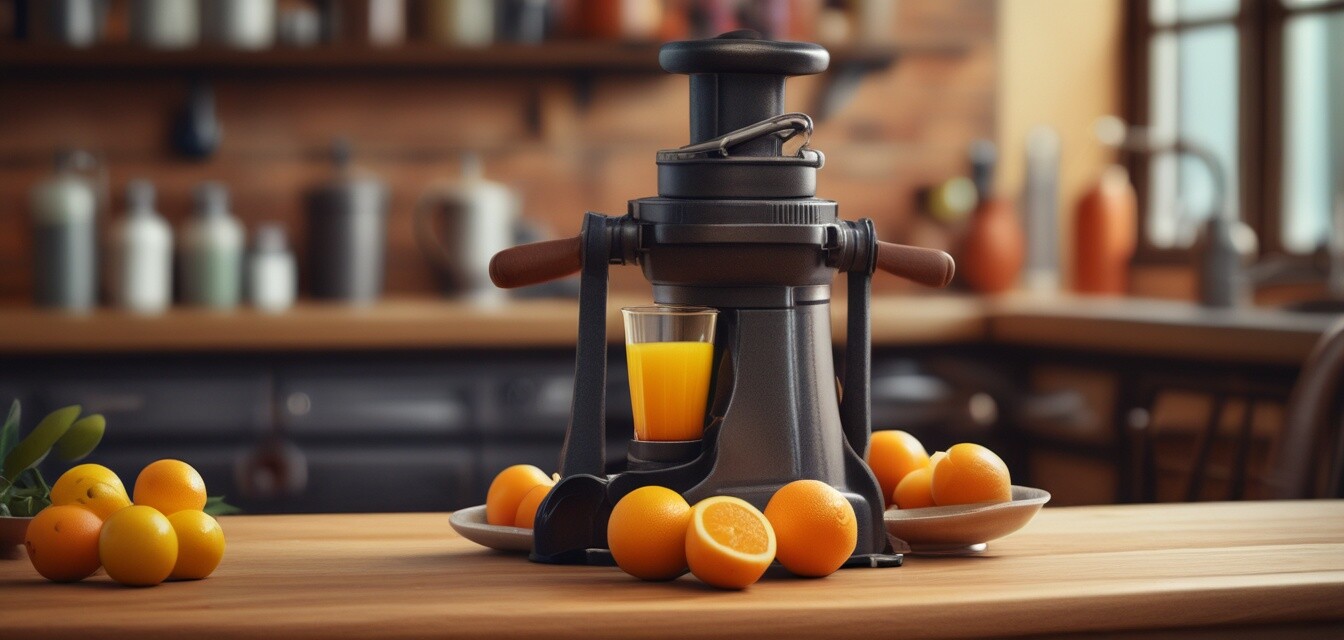
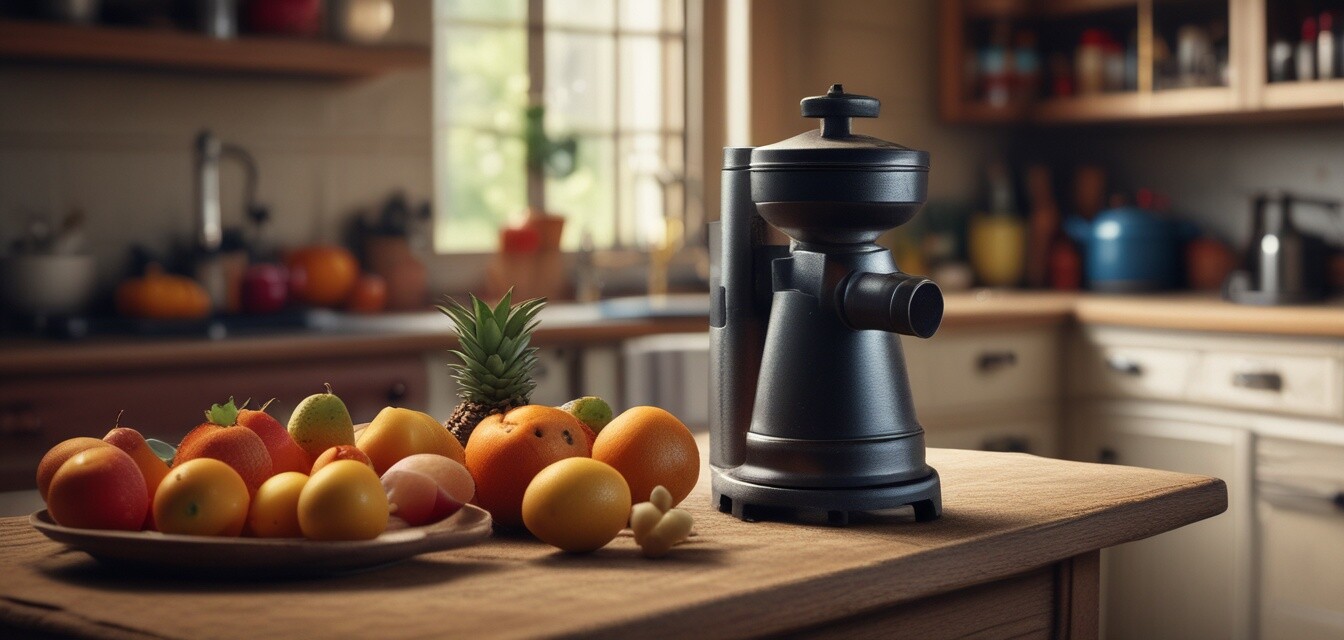
A cast iron juicer is a durable and robust device designed for extracting juice from fruits and vegetables. Traditionally made from heavy cast iron, these juicers are known for their ability to withstand pressure, making them ideal for various juicing tasks. Below are some key characteristics that define cast iron juicers:
- Durability: Cast iron is resistant to wear and can last a lifetime when properly maintained.
- Manual Operation: Many cast iron juicers are operated manually, providing flexibility and control.
- Versatility: Suitable for a range of fruits, including citrus, pomegranates, and even leafy greens in some cases.

Types of Cast Iron Juicers
There are several different types of cast iron juicers available, each with its specific features and applications. Here’s a closer look at each type:
| Type | Description | Ideal For |
|---|---|---|
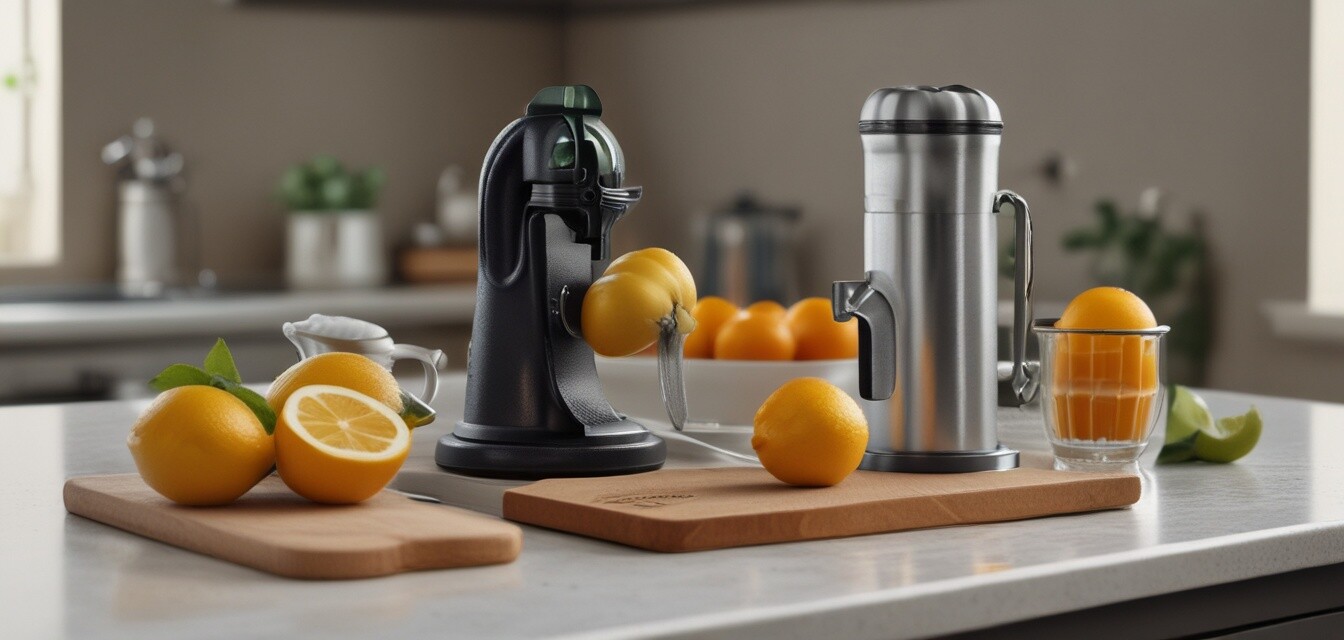
| Citrus Juicers | Designed specifically for squeezing juice from citrus fruits. | Lemons, limes, oranges, and grapefruits. |
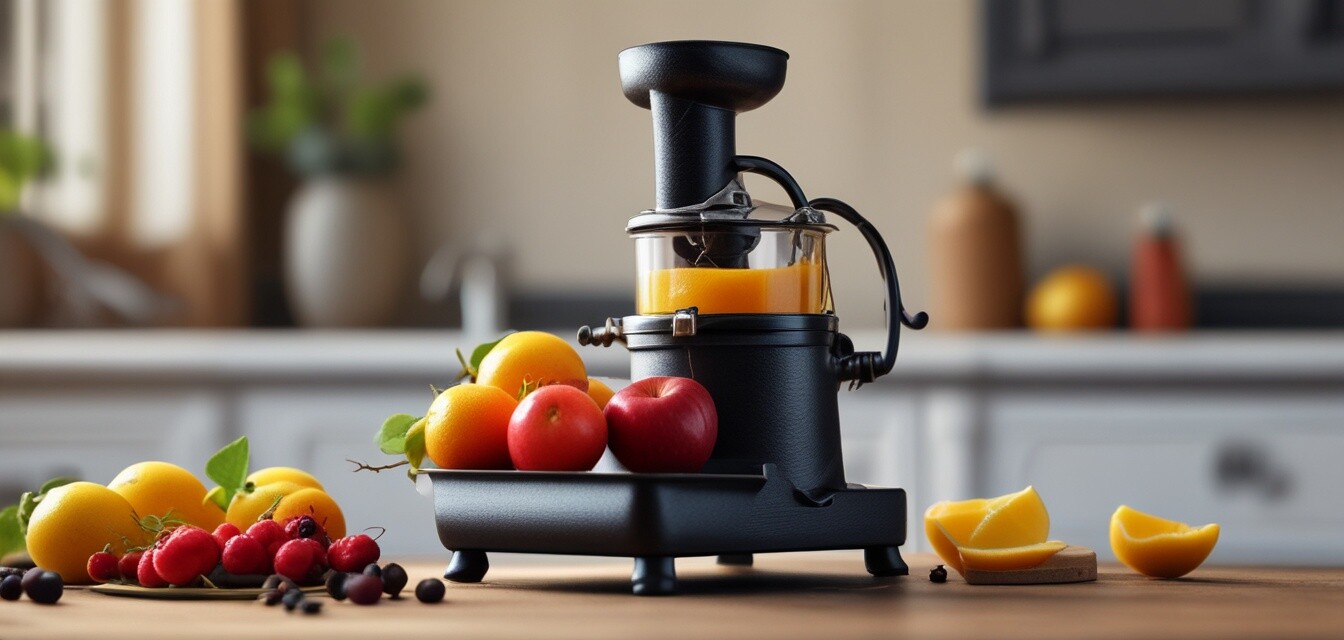
| Cold Press Juicers | Extract juice by pressing fruits at a slow rate, preserving nutrients. | Variety of fruits and vegetables, including leafy greens. |
| Hydraulic Press Juicers | Utilizes hydraulic pressure for maximizing juice extraction. | Pomegranates and other hard fruits. |
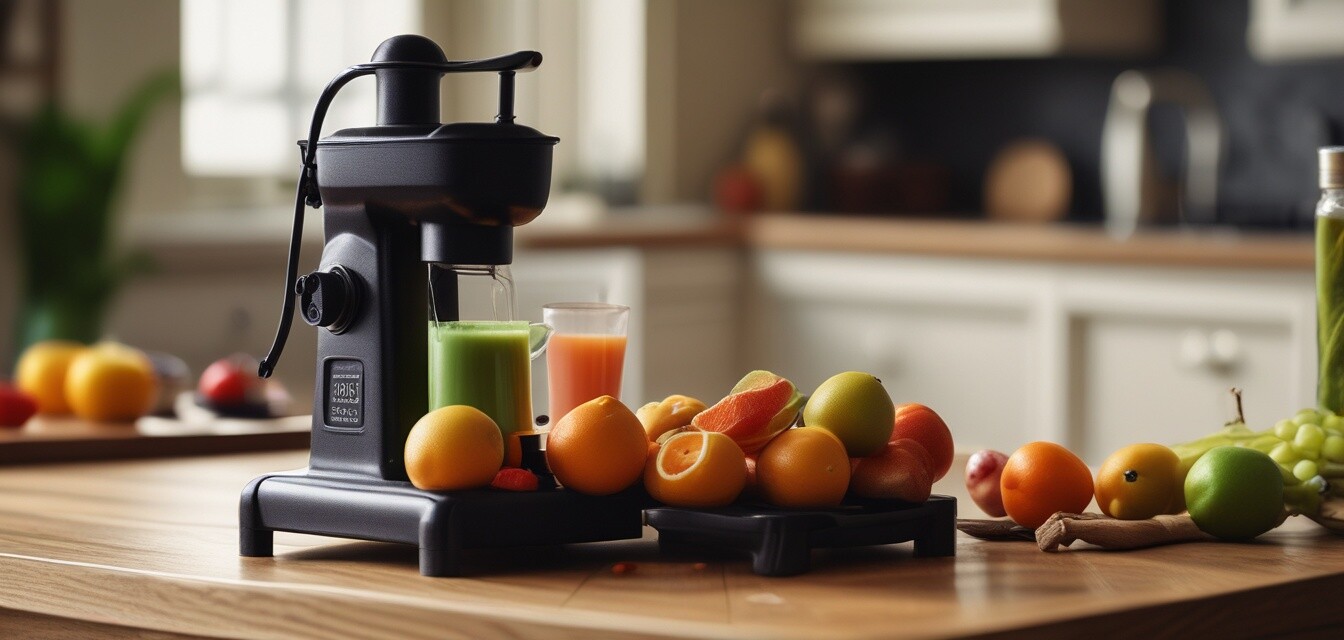
| Manual Cast Iron Juicers | Classic design for home use, manually operated for smaller batches. | All types of fruits and vegetables. |
| Pomegranate Juicers | Specifically fashioned for a simple and efficient way to juice pomegranates. | Pomegranates. |
| Wheatgrass Juicers | Engineered for juicing wheatgrass effectively. | Wheatgrass and other soft herbs. |
Benefits of Using Cast Iron Juicers
Choosing a cast iron juicer can bring several advantages to your kitchen. Here are some of the top benefits:
- Health Benefits: Freshly squeezed juice contains essential nutrients that are best consumed immediately.
- Environmentally Friendly: Manual juicing requires no electricity and minimizes carbon footprint.
- Cost-Effective: Durable materials mean long-lasting use without frequent replacements.
Considerations When Buying a Cast Iron Juicer
When selecting the right cast iron juicer for your needs, consider the following factors:
- Type of Juicer: Decide which type best suits your typical juicing tasks.
- Size and Capacity: Ensure the juicer can handle the amount of juice you typically need.
- Maintenance: Look for models that are easy to clean and maintain.
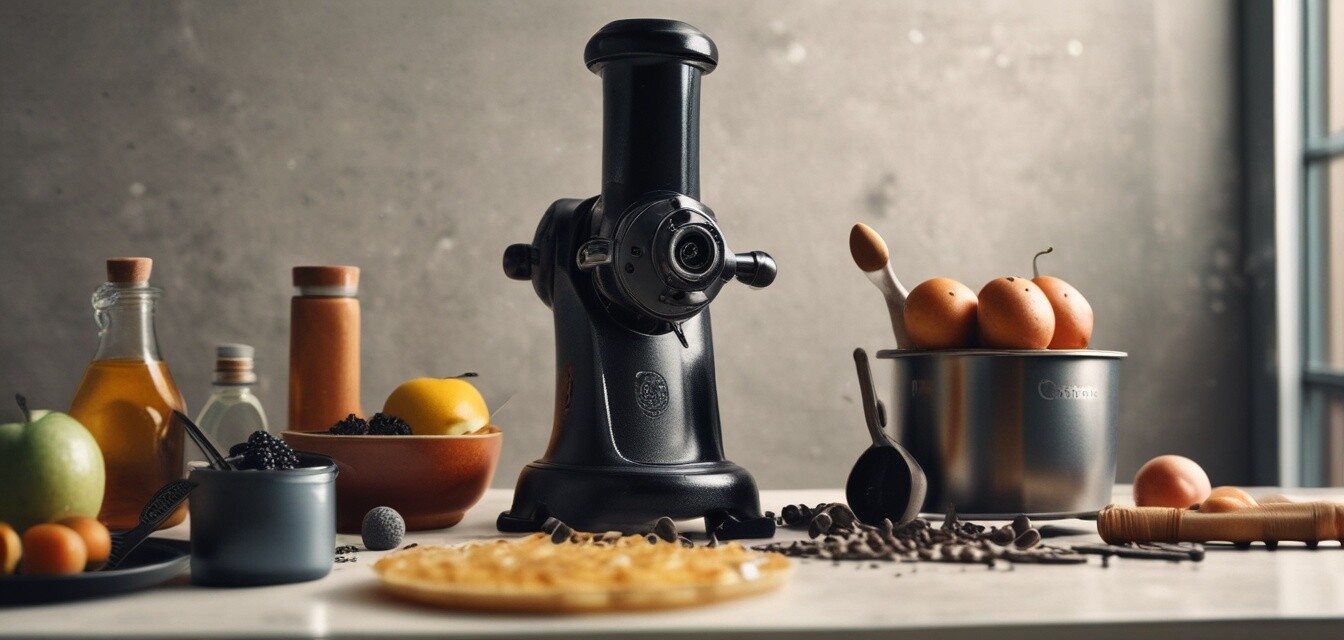
How to Use a Cast Iron Juicer
Using a cast iron juicer effectively requires a few simple steps. Here’s a quick guide:
- Prepare your fruits by washing and cutting them into manageable pieces.
- Place the fruit in the juicer, ensuring it is positioned correctly.
- Apply pressure using the juicing mechanism (either by hand or hydraulic lever) to extract the juice.
- Collect the juice in a glass or container, and enjoy your fresh beverage!
Tips for Beginners
- Start with softer fruits to get a feel for how much pressure to apply.
- Always clean your juicer immediately after use to prevent residue buildup.
- Ensure the juicer is properly lubricated for smooth operation.
Common Mistakes to Avoid
To ensure you get the best results with your cast iron juicer, avoid these common errors:
- Neglecting to clean the juicer after each use, which can lead to sticky residue.
- Using the juicer on overripe or spoiled fruits, which can affect the quality of the juice.
- Using excessive force, which can damage the juicer over time.
Maintaining Your Cast Iron Juicer
Regular maintenance is key to preserving your cast iron juicer’s lifespan. Here are some essential maintenance tips:
- Wipe down the juicer after each use with a damp cloth.
- Occasionally apply a light coat of food-safe oil to prevent rust.
- Store the juicer in a dry place to avoid moisture accumulation.
Pros
- Extremely durable and long-lasting.
- Environmentally friendly with no electricity needed.
- Manual operation gives you control over juicing time and pressure.
Cons
- Can be physically demanding compared to electric juicers.
- Requires regular maintenance to avoid rusting.
- May have a steeper learning curve for beginners.
Further Reading
Interested in learning more about juicers? Check out these articles: