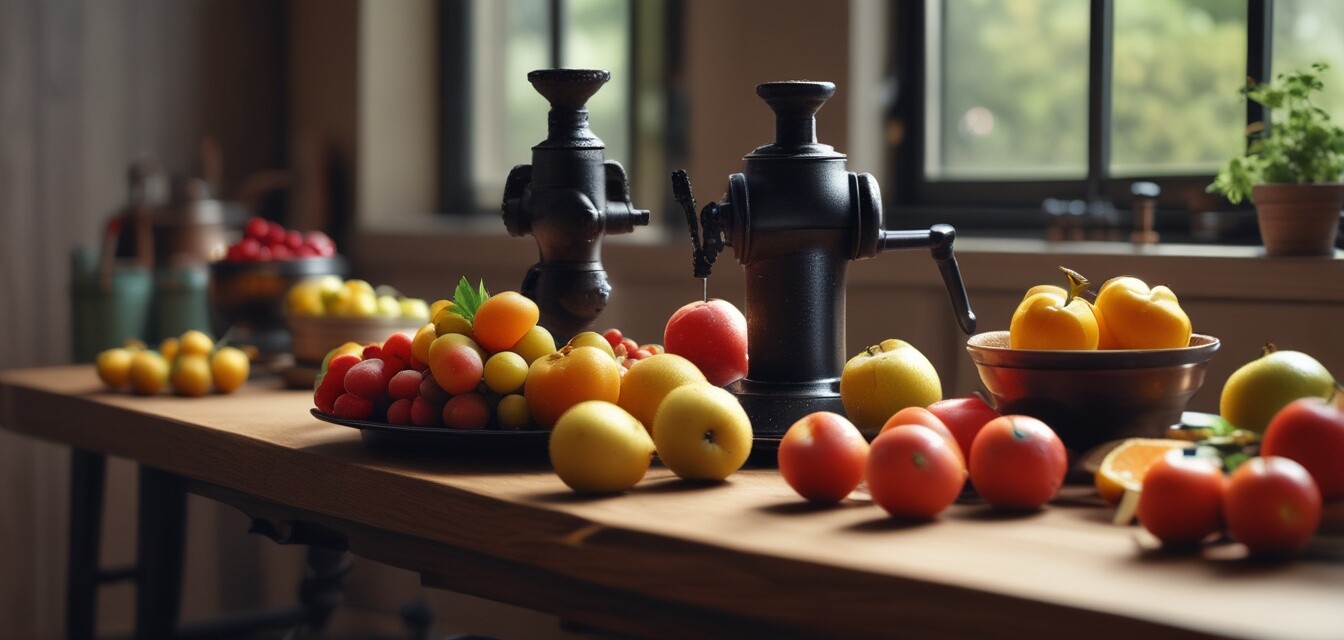
How to Use Your Cast Iron Juicer for Different Fruits
Key Takeaways
- Each fruit requires specific techniques for optimal juice extraction.
- Cleaning your cast iron juicer properly enhances its lifespan and performance.
- Prepare fruits by cutting them into appropriate sizes for easy juicing.
- Experiment with combining fruits for unique juice flavors.
Using a cast iron juicer can elevate your juicing experience, allowing you to extract flavorful juices from a variety of fruits. This guide will delve into techniques that enhance juice extraction and improve flavor. Understanding the specific needs of different fruits will ensure you make the most out of your juicer.
Choosing the Right Fruits for Juicing
Not all fruits are created equal, especially when it comes to juicing. Here’s a quick look at some popular fruits and their characteristics:
| Fruit | Juice Extraction Notes |
|---|---|
| Oranges | Juicy and easy; cut them in half for best results. |
| Lemons | Excellent for cocktails; can leave a tart flavor; cut in half. |
| Apples | Best to cut into quarters; may require more pressure. |
| Pomegranates | Can be challenging; extract seeds first for easier juicing. |
| Grapes | Juicy; can be juiced whole or cut in half if large. |
Preparing Fruits for Juicing
Preparation is key to maximizing juice yield. Here are some steps to ensure your fruits are ready:
- Wash thoroughly: Always wash your fruits under running water to remove dirt or pesticides.
- Peeling: Depending on the fruit, you may choose to peel them for less bitterness.
- Cutting: Slice fruits into smaller pieces that can fit easily into the juicer.
Juicing Techniques for Different Fruits
Here are some techniques tailored to specific fruits to help you achieve the best results with your cast iron juicer:
Oranges and Lemons
For citrus fruits like oranges and lemons, the juicing process is fairly straightforward:
- Cut the fruit in half.
- Apply consistent pressure while twisting the juicer’s handle to extract juice.
Apples
When juicing apples, consider the following:
- Cut apples into quarters.
- Place them in the juicer, securing the lid tightly for maximum pressure.
Pomegranates
Pomegranates can be more labor-intensive:
- It's best to extract the seeds from the fruit before juicing.
- Add the seeds to the juicer and apply pressure carefully to avoid bitterness from the pith.
Grapes
Grapes are easier to juice:
- Grapes can be juiced whole, but large grapes may need to be cut in half.
- Juicing with pressure will yield a sweet and refreshing juice.
Maintaining Your Cast Iron Juicer
Proper maintenance increases the lifespan of your juicer.
- Clean immediately: After juicing, disassemble and wash all parts with warm soapy water.
- Dry thoroughly: Always dry your juicer to prevent rusting.
- Season regularly: Apply a thin layer of oil to maintain the cast iron.
Pros
- Durable and long-lasting construction.
- Provides excellent juice extraction.
- Versatile for various fruit types.
Cons
- Can be heavy and difficult to handle.
- Requires more effort than electric juicers.
Combining Fruits for Unique Flavors
Mixing different fruits can lead to exciting flavors. Here are some combinations to try:
- Orange and Pineapple: A tropical twist.
- Apple and Ginger: A refreshing spicy blend.
- Pomegranate and Lemon: Bright and tart.
Enjoying Your Fresh Juice
Once you have juiced your fruits, enjoy them immediately for the best taste. Fresh juice can be used in cocktails, smoothies, or enjoyed on its own. Experiment with different combinations to discover your favorite flavors!
For further details on the best juicing practices, check out our how-to guides for more tips.
Conclusion
Using a cast iron juicer effectively primarily revolves around understanding the fruits you are working with. With proper preparation and methods tailored to each fruit, you can maximize juice extraction and enjoy delicious, healthy beverages. Happy juicing!