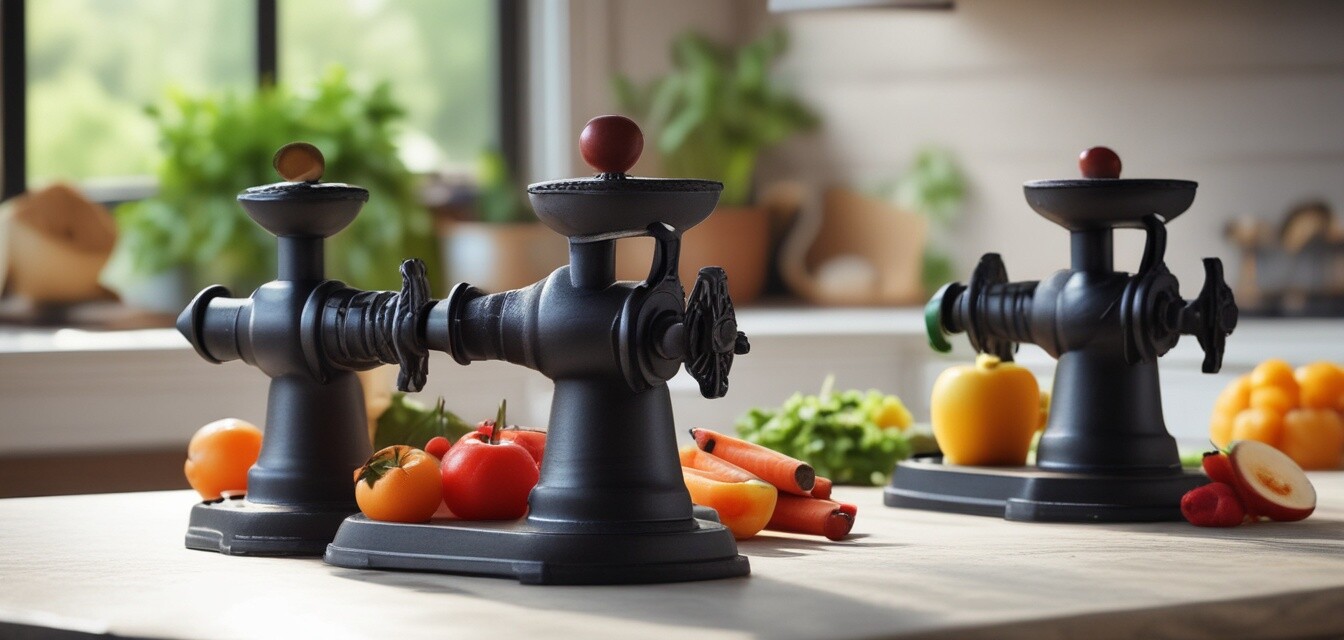
The Eco-Friendly Shift: Cast Iron Juicers and Sustainability
Key Takeaways
- Cast iron juicers are eco-friendly alternatives to plastic juicers.
- Durability and longevity make them a sustainable choice.
- They contribute to reducing waste and promoting responsible consumption.
- Cast iron juicers support local artisans and sustainable practices.
The kitchen is witnessing a green revolution as more consumers are becoming aware of the impact their choices have on the environment. Among the various kitchen appliances, cast iron juicers are making a notable mark. This article explores how these traditional juicers contribute to sustainability trends and the increasing demand for eco-friendly products in our daily lives.
The rising demand for sustainable kitchen appliances
With the global focus on sustainability, consumers are now actively seeking products that align with their values. The juicing industry showcases this shift remarkably well. There's a growing trend toward products that prioritize environmental considerations.
Why consumers are choosing cast iron juicers
- Durability: Cast iron juicers can last a lifetime with proper care, drastically reducing the need for replacements.
- Eco-friendly materials: Made from natural iron, these juicers avoid the use of harmful plastics.
- Minimalistic design: The traditional aesthetics appeal to consumers looking for rustic, vintage-style kitchen tools.
Cast iron juicers and their ecological impact
| Aspect | Cast Iron Juicers | Plastic Juicers |
|---|---|---|
| Material | Natural iron | Plastic-based materials |
| Longevity | Lifetime durability | Short-lived |
| Recyclability | Highly recyclable | Limited recyclability |
| Environmental Footprint | Low | High |
Supporting local artisans
Another significant advantage of cast iron juicers is their role in supporting local artisans. Many cast iron products are crafted by hand and produced by small-scale manufacturers. By choosing these products, consumers are not only opting for quality, but they are also helping to boost local economies and promote responsible production methods.
Emerging trends in the juicing market
The trend towards sustainability is not only confined to the material used but also extends to juicing practices. Here are some trends shaping the future of juicing:
- Cold-pressed juicing: This technique is gaining popularity for preserving nutrients and flavor.
- Farm-to-table juicing: Consumers are increasingly interested in sourcing ingredients locally.
- Zero-waste practices: Emphasizing the use of every part of the fruit or vegetable, further enhancing sustainability.
Benefits of using a cast iron juicer
Pros
- Environmentally friendly
- Long-lasting and durable
- Supports local craftsmanship
- Better flavor extraction
Cons
- Heavier than plastic juicers
- Requires maintenance to prevent rust
- Higher initial cost compared to plastic options
Key players in the cast iron juicer market
As the market continues to evolve, several brands have made their mark by focusing on sustainability and quality. The competition is fostering innovation, with manufacturers continuously improving their techniques and offerings.
To stay updated on the latest trends in the cast iron juicer market, check out our news and trends section. It covers everything from new product launches to consumer preferences for sustainable kitchen appliances.
Conclusion
The shift toward sustainability in the kitchen is unmistakable, with cast iron juicers leading the charge. Their durability, environmentally friendly materials, and aesthetic appeal make them a wise choice for consumers looking to make responsible purchasing decisions. By embracing cast iron juicers, you not only enjoy freshly made juices but also contribute to a sustainable future.
Explore more about juicing
Discover more about different types of juicers and their benefits in our citrus juicers or cold press juicers categories. Each type of juicer has its unique advantages, and understanding them can help you make an informed choice.